Buy oexp.eu ?
We are moving the project
oexp.eu .
Are you interested in purchasing the domain
oexp.eu ?
domain@kv-gmbh.de · 0541-91531010
Buy oexp.eu ?
What is a spring constant?
A spring constant, also known as stiffness or force constant, is a measure of how stiff a spring is. It represents the amount of force required to stretch or compress a spring by a certain distance. The higher the spring constant, the stiffer the spring, and the more force it takes to change its length. It is typically denoted by the symbol "k" and is measured in units of force per unit of length, such as newtons per meter (N/m) in the metric system. **
What is the spring constant and the spring stiffness?
The spring constant, also known as the force constant, is a measure of how stiff a spring is. It is denoted by the symbol 'k' and represents the amount of force required to stretch or compress a spring by a certain distance. The spring stiffness is a measure of how resistant a spring is to deformation and is directly related to the spring constant. A higher spring constant or stiffness indicates a stiffer spring that requires more force to deform. **

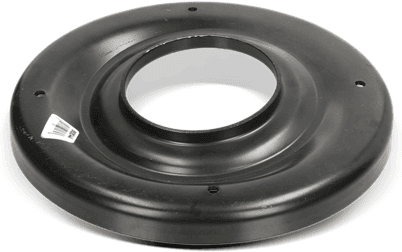
Similar search terms for Spring Constant
Top-Angebote
Products related to Spring Constant:
-
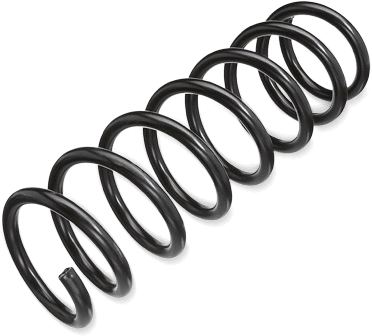
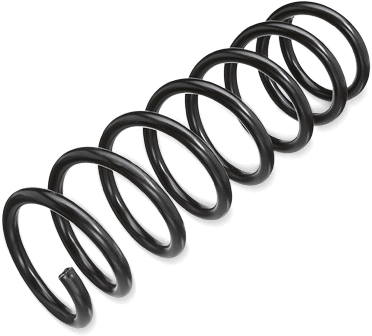
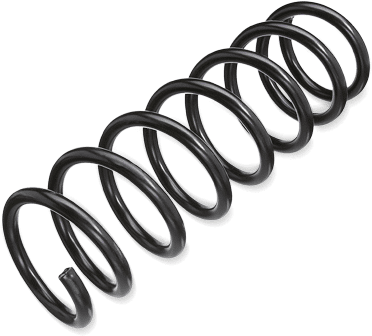
Magnum Technology SW180 Coil springFitting Position: Rear Axle; Spring Design: Coil Spring; Diameter: 13,75; Length [mm]: 363; Outer Diameter [mm]: 118; Vehicle Equipment: for vehicles with panorama sunroof, for vehicles with trailer hitch, for vehicles with factory mounted tow bar; Suspension: for vehicles with standard suspension90,98 £*Shipping: 8,45 £Secure redirect to the provider

-
Why is the spring constant negative?
The spring constant is not negative. It is always positive because it represents the stiffness of the spring and how much force is required to stretch or compress it. A negative spring constant would imply that the spring behaves in an unusual or non-physical way, which is not the case in standard physics. **
-
What is the spring constant 8?
The spring constant, denoted as k, is a measure of the stiffness of a spring. It represents the force required to stretch or compress a spring by a certain distance. A spring constant of 8 would indicate that it takes 8 units of force to stretch or compress the spring by 1 unit of distance. In other words, the higher the spring constant, the stiffer the spring. **
-
Can you explain the spring constant?
The spring constant, often denoted as k, is a measure of the stiffness of a spring. It represents the force required to stretch or compress a spring by a certain distance. A higher spring constant indicates a stiffer spring that requires more force to deform, while a lower spring constant indicates a more flexible spring that requires less force to deform. The spring constant is a fundamental property of a spring and is used in calculations involving Hooke's Law, which describes the relationship between the force applied to a spring and the resulting displacement. **
-
Does the spring constant add up?
No, the spring constant does not add up in the same way that other physical quantities do. When springs are connected in series, the effective spring constant is less than that of any individual spring. When springs are connected in parallel, the effective spring constant is greater than that of any individual spring. This is because the spring constant is related to the stiffness of the spring, and the arrangement of the springs affects how the stiffness is distributed in the system. **

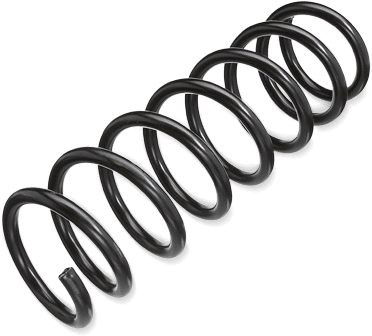
What is the spring constant 11?
The spring constant, denoted as k, is a measure of the stiffness of a spring. It represents the force required to stretch or compress a spring by a certain distance. A spring constant of 11 would indicate that it takes 11 Newtons of force to stretch or compress the spring by 1 meter. In other words, the higher the spring constant, the stiffer the spring. **
Which symbol represents the spring constant?
The symbol that represents the spring constant is "k." The spring constant is a measure of the stiffness of a spring and is used in Hooke's Law to calculate the force exerted by a spring when it is stretched or compressed. It is typically measured in units of force per unit of length, such as N/m (newtons per meter) in the metric system. **
Top-Angebote
Products related to Spring Constant:
-
Uplift Essentials Winter Heated Constant Temperature Pet Bed Winter Heated Constant Temperature Pet BedCold floors during chilly nights can cause discomfort and stiffness for small pets, making it difficult for them to find a restful sleep. This innovative heated constant temperature cat bed provides a continuous, soothing layer of warmth that mimics...128,97 $*Shipping: 0,00 $Secure redirect to the provider
-
What is a spring constant?
A spring constant, also known as stiffness or force constant, is a measure of how stiff a spring is. It represents the amount of force required to stretch or compress a spring by a certain distance. The higher the spring constant, the stiffer the spring, and the more force it takes to change its length. It is typically denoted by the symbol "k" and is measured in units of force per unit of length, such as newtons per meter (N/m) in the metric system. **
-
What is the spring constant and the spring stiffness?
The spring constant, also known as the force constant, is a measure of how stiff a spring is. It is denoted by the symbol 'k' and represents the amount of force required to stretch or compress a spring by a certain distance. The spring stiffness is a measure of how resistant a spring is to deformation and is directly related to the spring constant. A higher spring constant or stiffness indicates a stiffer spring that requires more force to deform. **
-
Why is the spring constant negative?
The spring constant is not negative. It is always positive because it represents the stiffness of the spring and how much force is required to stretch or compress it. A negative spring constant would imply that the spring behaves in an unusual or non-physical way, which is not the case in standard physics. **
-
What is the spring constant 8?
The spring constant, denoted as k, is a measure of the stiffness of a spring. It represents the force required to stretch or compress a spring by a certain distance. A spring constant of 8 would indicate that it takes 8 units of force to stretch or compress the spring by 1 unit of distance. In other words, the higher the spring constant, the stiffer the spring. **
Similar search terms for Spring Constant
-
Magnum Technology SW180 Coil springFitting Position: Rear Axle; Spring Design: Coil Spring; Diameter: 13,75; Length [mm]: 363; Outer Diameter [mm]: 118; Vehicle Equipment: for vehicles with panorama sunroof, for vehicles with trailer hitch, for vehicles with factory mounted tow bar; Suspension: for vehicles with standard suspension90,98 £*Shipping: 8,45 £Secure redirect to the provider
-
Can you explain the spring constant?
The spring constant, often denoted as k, is a measure of the stiffness of a spring. It represents the force required to stretch or compress a spring by a certain distance. A higher spring constant indicates a stiffer spring that requires more force to deform, while a lower spring constant indicates a more flexible spring that requires less force to deform. The spring constant is a fundamental property of a spring and is used in calculations involving Hooke's Law, which describes the relationship between the force applied to a spring and the resulting displacement. **
-
Does the spring constant add up?
No, the spring constant does not add up in the same way that other physical quantities do. When springs are connected in series, the effective spring constant is less than that of any individual spring. When springs are connected in parallel, the effective spring constant is greater than that of any individual spring. This is because the spring constant is related to the stiffness of the spring, and the arrangement of the springs affects how the stiffness is distributed in the system. **
-
What is the spring constant 11?
The spring constant, denoted as k, is a measure of the stiffness of a spring. It represents the force required to stretch or compress a spring by a certain distance. A spring constant of 11 would indicate that it takes 11 Newtons of force to stretch or compress the spring by 1 meter. In other words, the higher the spring constant, the stiffer the spring. **
-
Which symbol represents the spring constant?
The symbol that represents the spring constant is "k." The spring constant is a measure of the stiffness of a spring and is used in Hooke's Law to calculate the force exerted by a spring when it is stretched or compressed. It is typically measured in units of force per unit of length, such as N/m (newtons per meter) in the metric system. **
* All prices are inclusive of VAT and, if applicable, plus shipping costs. The offer information is based on the details provided by the respective shop and is updated through automated processes. Real-time updates do not occur, so deviations can occur in individual cases. ** Note: Parts of this content were created by AI.